I am hoping that things settle down soon.
How far along: 14 weeks
Team: Green
Total weight gain/loss: Maintaining same weight (no weight gain, no weight loss) odd?
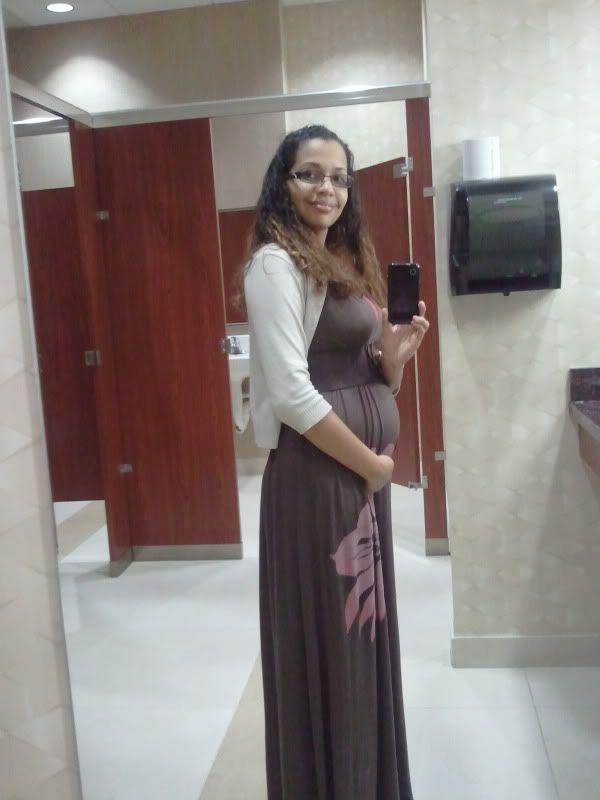
Maternity clothes: Regular clothes – but a little tight.
Stretch marks: None so far
Sleep: Evening out.
Best moments this week: realizing that everything really might be ok!
Belly button in or out?: Innie
Craving: none.
What I am looking forward to: a positive outcome.
belly pic: I actually look bigger than I am.
PreEclampsia Watch: No signs.
It's all about hair now as your baby sprouts some on his head, eyebrows, and body. As for Mom, those first-trimester symptoms should be easing up a bit.
Your Baby in Week 14 of Pregnancy
Now the size of your clenched fist, your baby is more fluid-like in his movements, so he’s no longer doing the jerk every time he repositions his arms and legs. Other developments this week include a roof of his own (inside his mouth, that is) as well as intestinal activity: His intestines are producing meconium (which is the waste that will make up his first bowel movement after birth). He is also sporting a downy coating of hair (lanugo) that keeps him nice and warm. Not to worry — you won't give birth to a monkey; baby fat will accumulate over the next few months and take over the function of keeping your baby warm and toasty —allowing most of that hair to shed.
Week 14 Pregnancy Tip: Staying Healthy
As if you didn't have enough pregnancy symptoms to contend with, you're also more susceptible to colds, flu, and other bugs when you're expecting. That's because nature wisely suppresses your immune system during pregnancy to keep your fetus (a foreigner to your body) from being rejected. The key to staying healthy during pregnancy is to engage in some germ warfare. More than ever, the best defense is a strong offense, especially when germs are being passed around your office or home like canapés. Wash your hands often (and carry liquid sanitizer for times when a sink's not handy), don't share drinks or food or toothbrushes, and avoid sick people like the plague (it's okay to banish a sick spouse to the couch with a stack of DVDs). If you think you've caught something, check with your practitioner ASAP, who will treat what you've got with your special needs in mind. If antibiotics are prescribed for a bacterial infection (they're useless against viruses like colds), don't hesitate to take them because you've heard medications aren't safe during pregnancy. Many are — plus getting better fast is the best medicine for your baby.
What You're Thinking:
"I'm too sexy for this pregnancy, too sexy for this pregnancy. ..."
Your Body
You have reached the light at the end of the tunnel. Well, the light at the end of the first tunnel (there will be more). Chances are good that you're feeling as good as you've felt in weeks. If you're not feeling it yet, don't worry, it'll come soon.
Enjoy this reprieve. If you haven't been milking the fact that you're pregnant, make up for lost time this week. Stockpile on sleep, have your partner cater to your every need (craving Ben & Jerry's at midnight? Go get it, lover!), let your mom baby you, have your friends come over to your house, take a personal day off of work, insert whatever you normally would feel pushy doing here. ...
Thought you'd never want to do "it" again, right? You may find that now that your energy levels are picking up, your interest in sex may increase as well.
If your back is starting to hurt, you can thank yet another hormone, relaxin, for the aches and pains. Just like it sounds, relaxin relaxes the joints and muscles in your body to help your pelvis expand and loosens the joints in your hips to make room for baby to come out. It'll also help you do a wicked downward facing dog, so join a yoga class and relish your new flexibility. Relaxin production peeks at 14 weeks and remains in your system until after baby is born.
If you're feeling little contractions or pulling and stretching sensations this week, don't panic. It's just your ligaments stretching and your organs moving to accommodate your growing baby. (Don't worry, your organs will all plop back into place shortly after Junior is born.)
Your Baby
Think of it this way: You're a third of the way through and baby's a third of the way cooked. Now that the "big stuff" (like skeletal and organ development) is taken care of, your baby starts a period of rapid brain growth, fat buildup and detail work. Highlights this week include:
Your baby now has fingerprints! Book 'em, Danno! Believe it or not, he actually created them himself while swimming around in the amniotic fluid. As he moved his hands, the skin on the tips of his fingers formed unique ridges and folds. That's why no one on earth has the same fingerprints, not even identical twins! Cool, right? Baby's arms are now in proportion to his tiny body, but his legs are still on the short size in comparison.
Meconium, that tar-like, sticky first baby poop, is now loading up your baby's intestines, which means you might want to set aside a bottle of olive oil, one of the few things that will get the gooey poop off of baby's bottom.
Your baby continues to gain new and impressive skills such as practicing and controlling voluntary muscle movements (this will help him fling food across the room later in life). Your tiny dancer's movements are no longer the jerky, uncontrollable twitches of yore—he now moves with graceful control.
Your baby is now weighs about an ounce and is the length of a flip phone, or roughly 3.5 inches—he's tripled in size from a mere three weeks ago! Luckily, you haven't done the same.
Your Life
Thinking about life insurance may make your head spin off, but since you'll soon have someone else to protect, you need to make sure they're taken care of. Now's the time to do your research and start considering what kind of coverage is appropriate. A reputable agent can help you make sense of those cryptic insurance terms. Ask family members, colleagues or friends who their trusted agent is, to help get you started.
And without getting too Debbie Downer, you should consider updating (or creating) a will. Consider who you might choose as your child's designated guardians. This is a tough decision and you'll need some time to make the right choice. OK, we'll switch the subject now and talk about something a little more fun.
Now that you're feeling so much better, get out of the house and get active. Make the most of your energy (and size) now ... go snowshoeing in the winter or hiking in the summer. Go swimming, go sailing, have picnics, take walks, lie on the beach or go dancing under the stars. Whatever it is, just get out and move around.
(Info pulled from What to expect when you're expecting)
